

Delving into the vast realm of literature is a lifelong adventure. Books offer an escape into worlds both familiar and unknown, and provide profound insights into the human experience. For passionate readers and those seeking literary enlightenment, we present a curated list of 60 books to read in your lifetime. From timeless classics to modern masterpieces, these titles have left an indelible mark on the literary landscape and are widely regarded as some of the greatest books ever written.
Whether you are a seasoned bookworm or just beginning your literary journey, this comprehensive collection offers a gateway to captivating stories, profound ideas, and unforgettable characters that have shaped the literary canon. So, prepare to embark on a literary odyssey as we explore these extraordinary works of art that deserve a place on every reader’s bookshelf.
Search for your favourite book on Bookswagon:

- “To Kill a Mockingbird” by Harper Lee

A powerful novel that explores racial injustice and moral courage in the Deep South.
2. “1984” by George Orwell

A dystopian masterpiece that delves into the dangers of totalitarianism, surveillance, and the manipulation of truth.
3. “Pride and Prejudice” by Jane Austen

A classic tale of love, societal expectations, and the complexities of human relationships in 19th-century England.
4. “The Great Gatsby” by F. Scott Fitzgerald

A captivating story set in the Roaring Twenties, examining the pursuit of the American Dream and the illusions of wealth and love.
5. “The Lord of the Rings” by J.R.R. Tolkien

An epic fantasy trilogy that takes readers on a quest through Middle-earth, filled with adventure, friendship, and the battle between good and evil.
6. “Moby-Dick” by Herman Melville

A monumental work of American literature, following the obsessive Captain Ahab’s pursuit of the great white whale.
7. “Crime and Punishment” by Fyodor Dostoevsky

A psychological novel that delves into the mind of a tormented protagonist, grappling with guilt, morality, and redemption.
8. “The Catcher in the Rye” by J.D. Salinger

A coming-of-age story narrated by Holden Caulfield, a disillusioned teenager who explores themes of alienation, identity, and the loss of innocence.
9. “Jane Eyre” by Charlotte Bronte

A timeless novel depicting the journey of Jane Eyre, a strong-willed woman who overcomes adversity and finds love amidst societal constraints.
10. “Brave New World” by Aldous Huxley
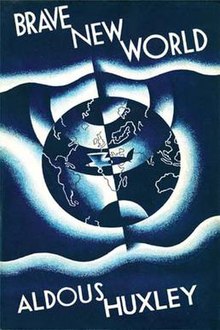
A dystopian vision of a future society where technology, social conditioning, and the suppression of individuality dominate human existence.
11. “The Odyssey” by Homer

An ancient Greek epic poem following the hero Odysseus on his perilous journey home after the Trojan War, filled with mythical creatures, gods, and challenges.
12. “The Count of Monte Cristo” by Alexandre Dumas

A thrilling tale of betrayal, revenge, and redemption as the protagonist seeks justice after being wrongfully imprisoned.
13. “One Hundred Years of Solitude” by Gabriel Garcia Marquez

A magical realist saga spanning generations of the Buendía family, blending reality and fantasy in a mesmerizing exploration of love, time, and destiny.
14. “The Divine Comedy” by Dante Alighieri

A poetic journey through Hell, Purgatory, and Paradise, as Dante encounters various historical and mythological figures, contemplating sin, redemption, and the divine.
15. “To the Lighthouse” by Virginia Woolf
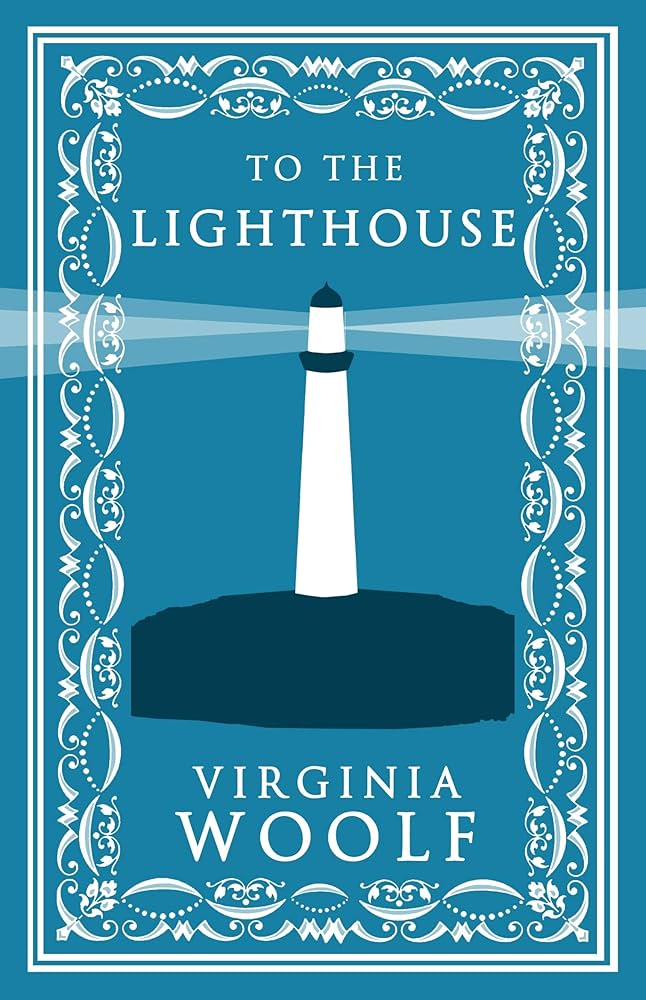
A modernist novel that delves into the inner thoughts and experiences of characters, exploring themes of perception, time, and the complexities of human relationships.
16. “The Brothers Karamazov” by Fyodor Dostoevsky

A philosophical novel that delves into the lives of the Karamazov brothers, examining faith, morality, and the nature of humanity.
17. “The Hobbit” by J.R.R. Tolkien

A charming adventure set in Middle-earth, chronicling Bilbo Baggins’ unexpected journey with a group of dwarves to reclaim their homeland from a dragon.
18. “War and Peace” by Leo Tolstoy

An epic masterpiece set against the backdrop of the Napoleonic Wars, exploring themes of love, war, and the complexities of human existence.
19. “The Chronicles of Narnia” by C.S. Lewis

A beloved series of fantasy novels that transport readers to the magical land of Narnia, where animals talk and children embark on extraordinary adventures.
20. “The Picture of Dorian Gray” by Oscar Wilde
A provocative novel examining the pursuit of pleasure, the nature of art, and the consequences of indulging one’s desires.
21. “The Alchemist” by Paulo Coelho

A spiritual allegory about a young shepherd boy’s quest for his personal legend, teaching profound lessons about following one’s dreams and finding meaning in life.
22. “The Adventures of Huckleberry Finn” by Mark Twain
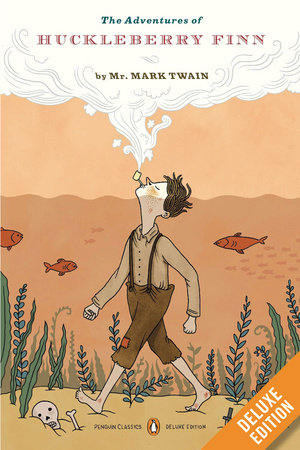
A classic American novel narrated by Huck Finn, exploring themes of racism, freedom, and the moral dilemmas faced by its young protagonist.
23. “Beloved” by Toni Morrison

A haunting and poetic novel that confronts the legacy of slavery through the story of Sethe, a former slave haunted by the ghost of her infant daughter.
24. “Frankenstein” by Mary Shelley

A Gothic masterpiece that explores themes of creation, identity, and the consequences of playing God through the tragic tale of Dr. Frankenstein and his monstrous creation.
25. “Anna Karenina” by Leo Tolstoy

A sweeping novel that delves into the complexities of love, marriage, and societal norms through the parallel stories of Anna Karenina and Levin.
26. “The Handmaid’s Tale” by Margaret Atwood

A dystopian novel set in a future where women’s rights are severely restricted, following the story of Offred as she navigates a repressive regime.
27. “Don Quixote” by Miguel de Cervantes
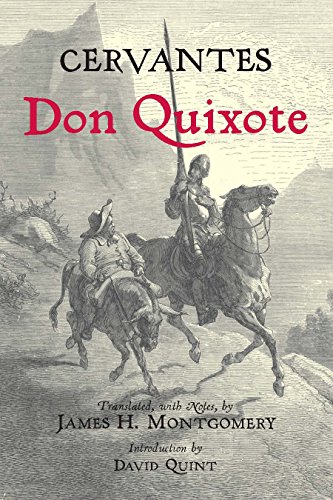
A comedic novel that follows the delusional but idealistic Don Quixote and his loyal squire, Sancho Panza, on their misadventures in pursuit of chivalry.
28. “Slaughterhouse-Five” by Kurt Vonnegut

A satirical and anti-war novel that blends science fiction elements with a nonlinear narrative, exploring the horrors of war and the concept of free will.
29. “The Grapes of Wrath” by John Steinbeck
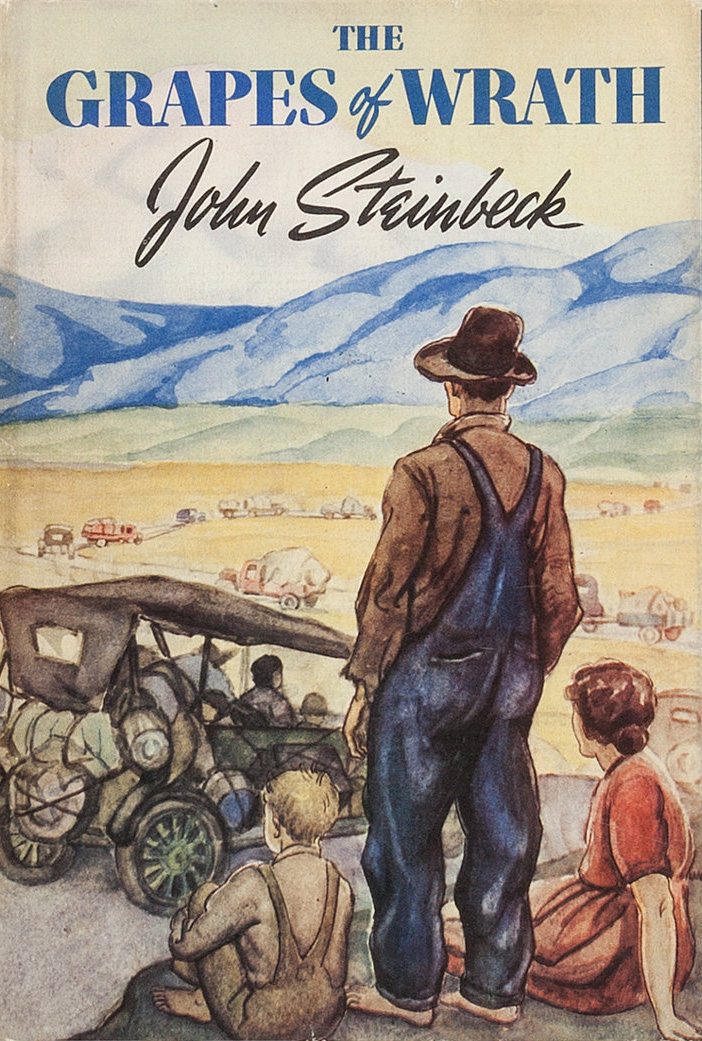
A powerful depiction of the Great Depression and the plight of migrant workers, highlighting themes of poverty, social injustice, and resilience.
30. “Wuthering Heights” by Emily Bronte

A haunting tale of love, passion, and revenge set on the desolate moors of Yorkshire, exploring the destructive nature of obsession and societal constraints.
31. “Catch-22” by Joseph Heller

A darkly humorous novel that satirizes the absurdity and bureaucracy of war through the experiences of a U.S. Army Air Forces bombardier during World War II.
32. “The Little Prince” by Antoine de Saint-Exupéry

A whimsical and philosophical novella that follows the adventures of a young prince, teaching poignant lessons about friendship, love, and the importance of imagination.
33. “The Color Purple” by Alice Walker
An emotionally intense novel that explores the lives of African American women in the early 20th century, addressing themes of race, gender, and resilience.
34. “Gulliver’s Travels” by Jonathan Swift

A satirical novel recounting the extraordinary voyages of Lemuel Gulliver to various imaginary lands, using satire to critique human society and institutions.
35. “The Kite Runner” by Khaled Hosseini

A poignant story set in Afghanistan, exploring themes of guilt, redemption, and the enduring power of friendship against the backdrop of political turmoil.
36. “Middlemarch” by George Eliot

A richly detailed novel that explores the lives and aspirations of various characters in a provincial English town, delving into themes of marriage, social change, and self-discovery.
37. “The Scarlet Letter” by Nathaniel Hawthorne

A classic novel set in 17th-century Puritan Boston, examining the consequences of adultery and the complexities of sin, guilt, and redemption.
38. “The Stranger” by Albert Camus

A philosophical novel that portrays the existential crisis of its protagonist, Meursault, and reflects on the absurdity of human existence and the indifference of the universe.
39. “The Secret History” by Donna Tartt
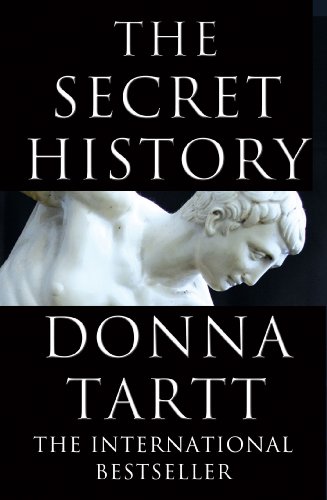
A gripping and darkly atmospheric novel centered around a group of eccentric classics students at an elite New England college, exploring themes of obsession, morality, and the consequences of secrets.
40. “The Hitchhiker’s Guide to the Galaxy” by Douglas Adams

A hilarious science fiction comedy that follows the misadventures of Arthur Dent, an ordinary human, after Earth is destroyed to make way for an interstellar highway.
41. “A Passage to India” by E.M. Forster

A thought-provoking novel that explores the complexities of British-Indian relationships and examines themes of cultural misunderstanding, racism, and the clash of civilizations.
42. “The Sun Also Rises” by Ernest Hemingway

A novel that captures the disillusionment and aimlessness of the Lost Generation, following a group of expatriates as they navigate post-World War I Europe.
43. “The Bell Jar” by Sylvia Plath

A semi-autobiographical novel that explores the mental and emotional struggles of its protagonist, Esther Greenwood, as she descends into depression and grapples with societal expectations.
44. “Gone with the Wind” by Margaret Mitchell

A sweeping historical novel set during the American Civil War and Reconstruction era, portraying the life of Scarlett O’Hara and examining themes of love, survival, and the transformation of the South.
45. “The Old Man and the Sea” by Ernest Hemingway
A concise yet profound novella that tells the story of an aging fisherman’s epic struggle with a marlin, exploring themes of perseverance, courage, and the human spirit.
46. “Norwegian Wood” by Haruki Murakami

A nostalgic and introspective novel that follows the journey of Toru Watanabe, a young student in 1960s Tokyo, as he navigates love, loss, and the complexities of adulthood.
47. “A Tale of Two Cities” by Charles Dickens

A historical novel set during the French Revolution, depicting the lives of various characters in London and Paris, highlighting themes of sacrifice, redemption, and social injustice.
48. “The Shadow of the Wind” by Carlos Ruiz Zafón

A mesmerizing novel set in post-war Barcelona, unraveling a mysterious story involving books, secrets, and the power of storytelling itself.
49. “The Book Thief” by Markus Zusak

Narrated by Death, this poignant novel tells the story of Liesel Meminger, a young girl living in Nazi Germany, who finds solace and courage in the world of books during the horrors of World War II.
50. “The Canterbury Tales” by Geoffrey Chaucer

A collection of stories told by a diverse group of pilgrims on their way to Canterbury, providing a fascinating glimpse into medieval society and showcasing Chaucer’s wit and storytelling prowess.
51. “The Lord of the Flies” by William Golding

A gripping allegorical novel that explores the descent into savagery of a group of British schoolboys stranded on a deserted island, delving into the darker aspects of human nature.
52. “The Road” by Cormac McCarthy

A post-apocalyptic novel that follows a father and his young son as they journey through a desolate and dangerous landscape, examining themes of survival, love, and the essence of humanity.
53. “The Metamorphosis” by Franz Kafka
A surreal and unsettling novella that tells the story of Gregor Samsa, who wakes up one morning transformed into a giant insect, exploring themes of alienation, identity, and the human condition.
54. “The Adventures of Sherlock Holmes” by Arthur Conan Doyle

A collection of short stories featuring the brilliant detective Sherlock Holmes and his loyal companion Dr. John Watson, showcasing Holmes’s deductive reasoning and mastery of observation.
55. “The Joy Luck Club” by Amy Tan

A moving novel that explores the complex relationships between four Chinese immigrant women and their American-born daughters, delving into themes of cultural identity, mother-daughter bonds, and the immigrant experience.
56. “The Name of the Rose” by Umberto Eco

A captivating historical mystery set in a 14th-century Italian monastery, where a Franciscan friar investigates a series of bizarre deaths while unraveling a labyrinth of religious and philosophical secrets.
57. “Cloud Atlas” by David Mitchell

A mind-bending novel comprised of interconnected stories spanning centuries and genres, exploring themes of fate, interconnectedness, and the enduring power of storytelling.
58. “A Clockwork Orange” by Anthony Burgess

A dystopian novel that follows the violent and charismatic teenager Alex as he undergoes an experimental procedure to suppress his criminal tendencies, raising questions about free will, morality, and the nature of evil.
59. “The Iliad” by Homer

An ancient Greek epic poem that recounts the Trojan War, featuring iconic characters such as Achilles and Hector, and exploring themes of honor, heroism, and the futility of war.
60. “Siddhartha” by Hermann Hesse

A philosophical novel that follows the spiritual journey of Siddhartha, a young man seeking enlightenment, as he explores different paths to wisdom and self-discovery.
If you’d like to read a list of the most iconic book quotes of all time, head here.
Check if these books match your reading mood, pacing preference and see what other readers think on The Storygraph.
Search for your favourite book on Bookswagon: